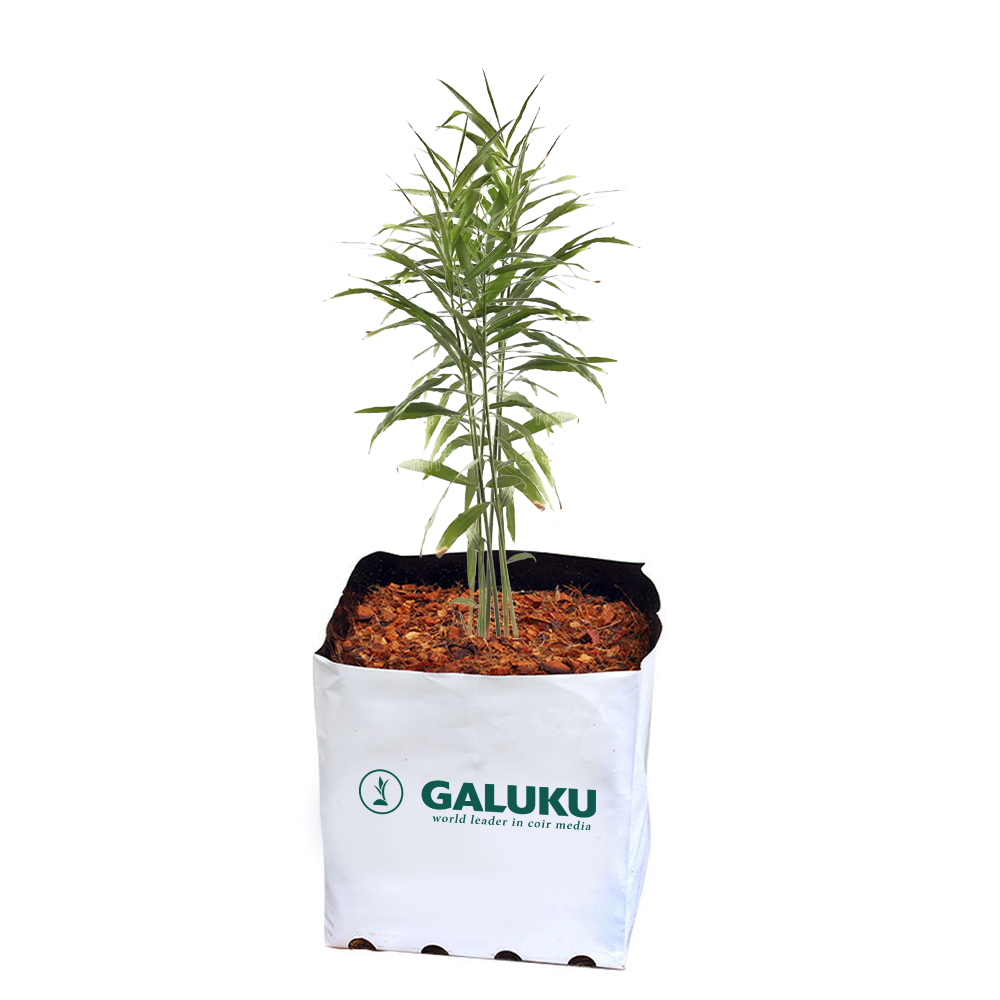
Cocopeat: The Ideal Growing Medium
Cocopeat, also known as coconut coir, is derived from the fibrous husk of coconuts. It is valued for its high water retention capacity, aeration, and nutrient-holding capabilities. The use of cocopeat in open top bags for ginger cultivation provides an ideal environment for root development, allowing growers to optimize plant health and yield.
Benefits of Cocopeat Open Top Bags for Ginger Cultivation
Enhanced Aeration and Drainage: Cocopeat has excellent water drainage properties, preventing waterlogging and promoting a well-aerated root zone. Open top bags facilitate air circulation, ensuring that the ginger plants receive adequate oxygen, a crucial factor for healthy root development.
Optimized Nutrient Retention: Cocopeat has a high cation exchange capacity (CEC), allowing it to retain and release nutrients efficiently. This property is crucial for providing ginger plants with a steady supply of essential elements, promoting robust growth and development.
Reduced Disease Risks: Soilless cultivation significantly reduces the risk of soil-borne diseases that can affect traditional soil-based crops. Cocopeat has natural antifungal properties, providing an additional layer of protection against pathogens.
Ease of Handling and Management: Open top bags filled with cocopeat are lightweight and easy to handle. This makes them an excellent choice for both small-scale and commercial ginger cultivation. The bags can be arranged in a controlled environment, such as a greenhouse, allowing for efficient space utilization.
Environmental Sustainability: Cocopeat is a sustainable and renewable resource, making it an environmentally friendly option for soilless cultivation. Additionally, the reduced need for pesticides and fertilizers in soilless systems contributes to a more eco-friendly farming approach.
Cultivation Process
Selection of Quality Cocopeat: Start by selecting high-quality cocopeat with a fine texture and low salt content. Ensure that the cocopeat is well-buffered to prevent fluctuations in pH levels.
Filling the Open Top Bags: Fill the open top bags with the selected cocopeat, leaving enough space at the top for planting the ginger rhizomes. The bags should be arranged in rows with sufficient spacing for proper plant growth.
Planting Ginger Rhizomes: Place ginger rhizomes on the surface of the cocopeat, ensuring they are not buried too deep. The open top bags allow easy access for planting and monitoring the growth of the rhizomes.
Watering and Nutrient Management: Water the ginger plants regularly, ensuring that the cocopeat remains consistently moist. Implement a nutrient management plan, providing essential nutrients through a balanced fertilizer solution suitable for ginger cultivation.
Monitoring and Maintenance: Regularly monitor the plants for signs of nutrient deficiencies, pests, or diseases. The open top bags make it easy to inspect the root system and take corrective measures promptly.
Challenges and Solutions
While soilless ginger cultivation using cocopeat open top bags offers numerous benefits, growers should be aware of potential challenges and implement suitable solutions:
pH Management: Cocopeat has a slightly acidic pH, and growers must monitor and adjust the pH to the optimal range for ginger cultivation (around 6.0 to 6.5). This can be achieved by incorporating lime into the cocopeat or adjusting the nutrient solution.
Nutrient Balance: Ensuring a balanced nutrient supply is crucial for ginger cultivation. Regular monitoring of nutrient levels and adjusting the fertilizer solution accordingly will help prevent deficiencies or excesses.
Temperature Control: Ginger plants thrive in warm temperatures, and maintaining the ideal temperature range (around 25 to 30°C) is essential. Greenhouses or shade nets can be employed to regulate temperature and protect the plants from extreme weather conditions.
Conclusion
Soilless cultivation using cocopeat open top bags represents a groundbreaking approach to ginger cultivation, offering a sustainable, efficient, and environmentally friendly alternative to traditional soil-based methods. The benefits of enhanced aeration, optimized nutrient retention, and reduced disease risks make this method particularly attractive for both small-scale and commercial growers. By embracing innovations in agricultural practices, farmers can harness the potential of soilless cultivation to enhance ginger production while promoting sustainability in the farming industry.