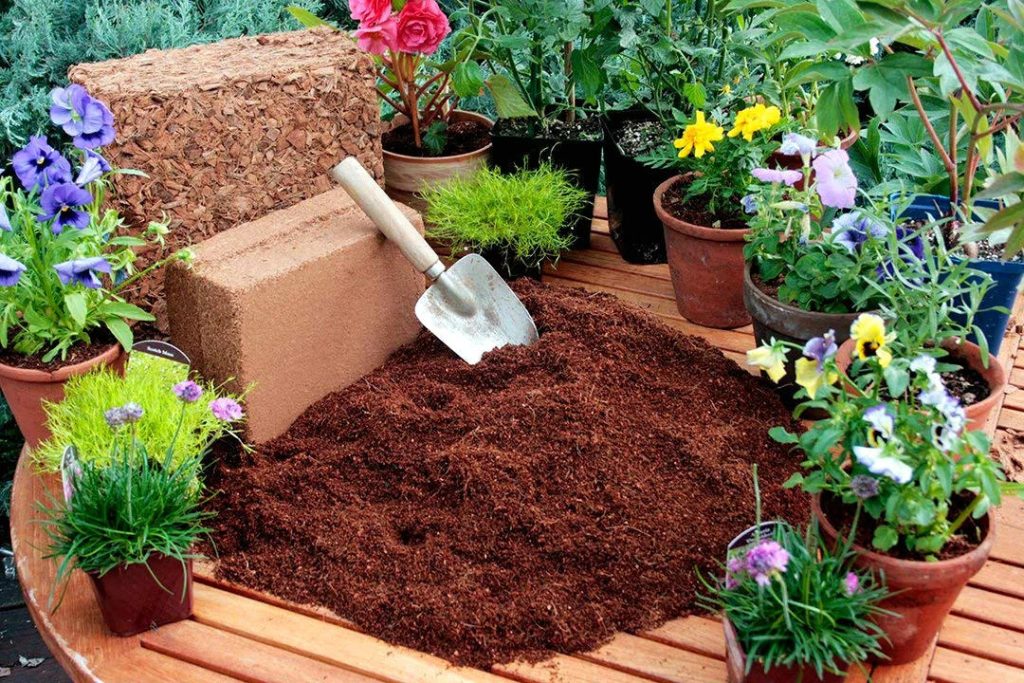
Benefits of Coco Peat
1. Sustainable and Renewable:
Coco peat is a byproduct of the coconut industry, making it an eco-friendly and sustainable choice. Utilizing this waste material not only reduces environmental impact but also supports the circular economy.
2. Excellent Water Retention:
One of the standout features of coco peat is its exceptional water retention capacity. It can hold up to eight times its weight in water, ensuring a steady supply of moisture to plants. This property is particularly beneficial in arid or drought-prone regions.
3. Optimal Aeration:
The fibrous structure of coco peat promotes excellent aeration within the growing medium. This prevents soil compaction, enhances root development, and facilitates nutrient absorption, leading to healthier and more robust plants.
4. pH Neutral:
Coco peat has a neutral pH, providing a stable environment for plants. This allows for easy customization of pH levels based on the specific needs of different crops, ensuring optimal nutrient uptake.
5. Versatility in Applications:
From container gardening to hydroponic farming, landscaping to potting mixes, coco peat proves its versatility across various agricultural and horticultural practices. Its adaptability makes it a go-to choice for growers seeking sustainable alternatives.
Conclusion
As we navigate the evolving landscape of agriculture and horticulture, coco peat emerges as a frontrunner in sustainable growing practices. Its diverse applications, coupled with the numerous benefits it offers, make it a valuable resource for both small-scale gardeners and large-scale agricultural enterprises. Whether you choose coco peat open top bags, grow bags for hydroponic farming, blocks for potting mix, or bales for landscaping, you are embracing a greener and more sustainable future for cultivation. So, join the coco peat revolution and unlock the green potential in your garden or farm today!