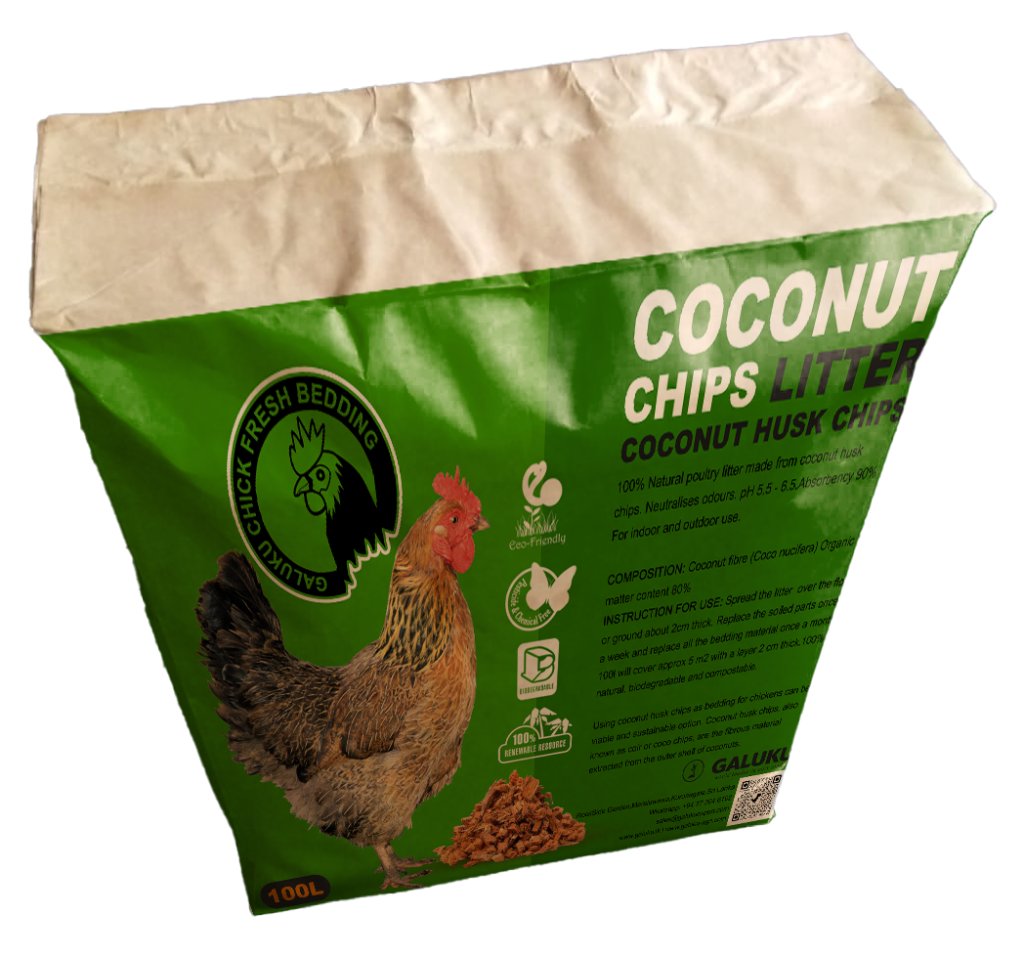
Harnessing the Benefits of Coco Husk Chips as Bedding for Chickens

Introduction:

Raising chickens comes with its unique set of challenges, and one crucial aspect that poultry enthusiasts often overlook is the choice of bedding for their feathered friends. The right bedding not only ensures the comfort and well-being of your chickens but also plays a significant role in maintaining a clean and healthy coop environment. In recent years, there has been a growing interest in alternative bedding materials, and one such eco-friendly option gaining popularity is coco husk chips. In this article, we will explore the advantages of using coco husk chips as bedding for chickens and how this sustainable option can contribute to the overall health and happiness of your flock.

Understanding Coco Husk Chips:

Coco husk chips, also known as coconut coir or coconut fiber, are derived from the husk of coconuts. The outer layer of the coconut, composed mainly of coir and fibers, is processed to create a versatile and eco-friendly material. Coco husk chips have gained recognition for their water retention, durability, and natural resistance to pests and diseases. These qualities make them an excellent choice for various agricultural and horticultural applications, including chicken bedding.

Advantages of Coco Husk Chips as Chicken Bedding:

  1. Natural Absorbency: Coco husk chips have remarkable water retention capabilities, making them highly absorbent. This is a crucial factor when it comes to chicken bedding, as it helps to absorb moisture, droppings, and any spilled water. Maintaining a dry bedding environment is essential for preventing the growth of harmful bacteria and fungi, ultimately promoting the health of your chickens.

  2. Odor Control: One of the common challenges in chicken coops is managing unpleasant odors. The absorbent nature of coco husk chips not only keeps the bedding dry but also helps control odors by reducing the ammonia levels associated with chicken waste. This results in a more pleasant living environment for both the chickens and their caretakers.

  3. Dust-Free Environment: Traditional bedding materials like straw or hay can generate dust particles, which may pose respiratory issues for chickens. Coco husk chips, on the other hand, are relatively dust-free, providing a healthier respiratory environment for your flock. This is particularly beneficial for chickens with respiratory sensitivities or those raised in enclosed coops.

  4. Longevity and Durability: Coco husk chips have a longer lifespan compared to some other bedding materials. They break down at a slower rate, reducing the frequency of bedding changes. This not only saves time and effort but also makes coco husk chips a cost-effective choice in the long run.

  5. Natural Pest Resistance: Coir fibers possess natural resistance to pests, fungi, and bacteria. By using coco husk chips as bedding, you create an environment that is less attractive to mites, lice, and other harmful insects. This can contribute to the overall health of your chickens and reduce the need for chemical interventions.

  6. Environmental Sustainability: Coco husk chips are a byproduct of the coconut industry, making them a sustainable and environmentally friendly choice. By opting for coco husk chips as chicken bedding, you contribute to the reduction of agricultural waste and support the use of renewable resources in poultry management.

  7. Easy Disposal and Composting: When it comes time to change the bedding, coco husk chips are easy to dispose of and can be added to compost bins. They decompose at a reasonable rate, enriching the compost with organic matter. This closed-loop system aligns with sustainable farming practices and minimizes the environmental impact of chicken keeping.

  8. Comfort for Chickens: Chickens, like any other living beings, benefit from a comfortable living environment. Coco husk chips provide a soft and cushioned surface for chickens to walk, scratch, and nest. This can enhance the overall well-being of your flock, contributing to their physical and mental health.

Tips for Using Coco Husk Chips as Chicken Bedding:

  1. Proper Bedding Depth: Maintain an adequate depth of coco husk chips in the coop to ensure effective moisture absorption and odor control. Regularly top up the bedding as needed to maintain optimal conditions.

  2. Regular Cleaning and Rotation: While coco husk chips have impressive durability, it’s essential to perform regular coop cleanings. Remove any soiled bedding and replace it with fresh coco husk chips to maintain a clean and hygienic environment.

  3. Monitoring Moisture Levels: Keep an eye on moisture levels in the coop, especially during wet weather. Adjust the bedding as needed to prevent excess moisture and maintain a dry living space for your chickens.

  4. Complementary Practices: Enhance the benefits of coco husk chips by incorporating good husbandry practices. Provide proper ventilation, offer a balanced diet, and ensure access to clean water to support the overall health of your chickens.

Conclusion:

In conclusion, choosing the right bedding for your chickens is a critical decision that can significantly impact their health and well-being. Coco husk chips emerge as a sustainable and effective option, offering numerous advantages ranging from natural absorbency to pest resistance. By opting for coco husk chips as chicken bedding, you not only provide a comfortable living space for your flock but also contribute to environmental sustainability and reduced waste. As poultry enthusiasts increasingly seek eco-friendly alternatives, coco husk chips stand out as a versatile and beneficial choice for the conscientious chicken keeper.

Share on facebook
Facebook
Share on twitter
Twitter
Share on linkedin
LinkedIn